Prose writing that is based on facts, real events, and real people, such as biography or history.
Common literary examples of nonfiction include expository, argumentative, functional, and opinion pieces; essays on art or literature; biographies; memoirs; journalism; and historical, scientific, technical, or economic writings (including electronic ones).
Benefits of reading nonfiction:
- Prepares students for later grades. ...
- Expands a child's vocabulary. ...
- Aids second language learners. ...
- Offers solutions to real-world problems. ...
- Teaches children more about the world they live in.
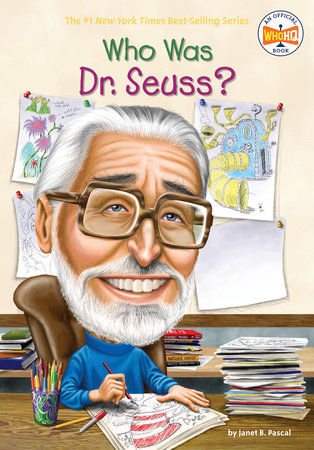 This book tells us about the life of Dr.Suess and all of his adventures. It goes into great detail and it very informational. What makes this book nonfiction is that it tells us about Dr.Suess and his life which are real. We would call this a biography, someone else is writing about Dr.Suess' life.
We need to keep nonfiction books in our classrooms as every child likes to read something different. Nonfiction books are also good for children to learn about real-life events, people, and animals.


No comments:
Post a Comment