Sunday, November 24, 2019

Math

Math 

 Sometimes learning to count can be hard for children, engaging them in fun books to help is a great idea. These two books I used to learn how to count when I was a kid and both were engaging and fun. The Very Hungry Caterpillar teaches counting while incorporating colorful pictures that engage the reader. Chicka Chicka 1 2 3 also teaches counting in a fun way and has fun pictures and jokes to keep the students engaged and learning.


Thursday, November 14, 2019

Science

Science

The Magic School Bus

-All magic school bus books are great for teaching children about all things science. 

Image result for The Magic School Bus Lost in the Solar System A field trip fizzles out when Ms. Frizzle arrives at the museum with her class only to find that the planetarium is closed! This book is perfect to start learning about the solar system! 


From the solar system to the time of the dinosaurs, The Magic School Bus has ALL science topics covered. These books are sure to make exploring science fun and to keep your students engaged. Ms. Frizzle is sure to keep you on your toes!  

Image result for the magic school bus books

Monday, November 11, 2019

Social Studies


Social Studies


Image result for who was abe lincoln book This book is perfect for your social studies classroom when you are learning about president Abraham Lincoln. Taking us on a journey of his life and the things he accomplished in his time. Born to a family of farmers, Lincoln stood out from an early age—literally! (He was six feet four inches tall.) As the sixteenth President of the United States, he guided the nation through the Civil War and saw the abolition of slavery. Books are great ways to teach kids a lot of information through one good source. 

Saturday, November 2, 2019

Nonfiction

Nonfiction
Prose writing that is based on facts, real events, and real people, such as biography or history. 
Common literary examples of nonfiction include expository, argumentative, functional, and opinion pieces; essays on art or literature; biographies; memoirs; journalism; and historical, scientific, technical, or economic writings (including electronic ones). 

Benefits of reading nonfiction:
  • Prepares students for later grades. ...
  • Expands a child's vocabulary. ...
  • Aids second language learners. ...
  • Offers solutions to real-world problems. ...
  • Teaches children more about the world they live in.


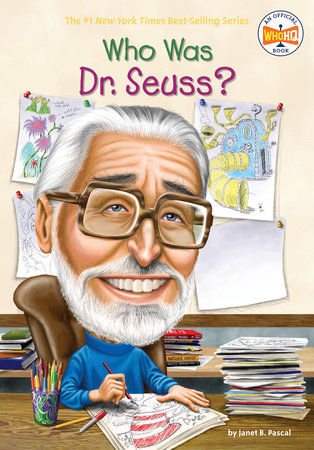
Image result for who was dr.seussThis book tells us about the life of Dr.Suess and all of his adventures. It goes into great detail and it very informational. What makes this book nonfiction is that it tells us about Dr.Suess and his life which are real. We would call this a biography, someone else is writing about Dr.Suess' life. 


We need to keep nonfiction books in our classrooms as every child likes to read something different. Nonfiction books are also good for children to learn about real-life events, people, and animals. 

Math

Math   Sometimes learning to count can be hard for children, engaging them in fun books to help is a great idea. These two books I used to...